As health technology increasingly integrates with offline service scenarios, Hong Kong Weierli Health Technology Group has recently further disclosed the detailed planning of its nationwide flagship store network for 2026. Building on its previously announced goal of exceeding 200 flagship stores nationwide, the Group has, for the first time, publicly clarified specific deployment directions across municipalities, provinces, and key regions—marking the entry of its national expansion strategy into a refined implementation phase.
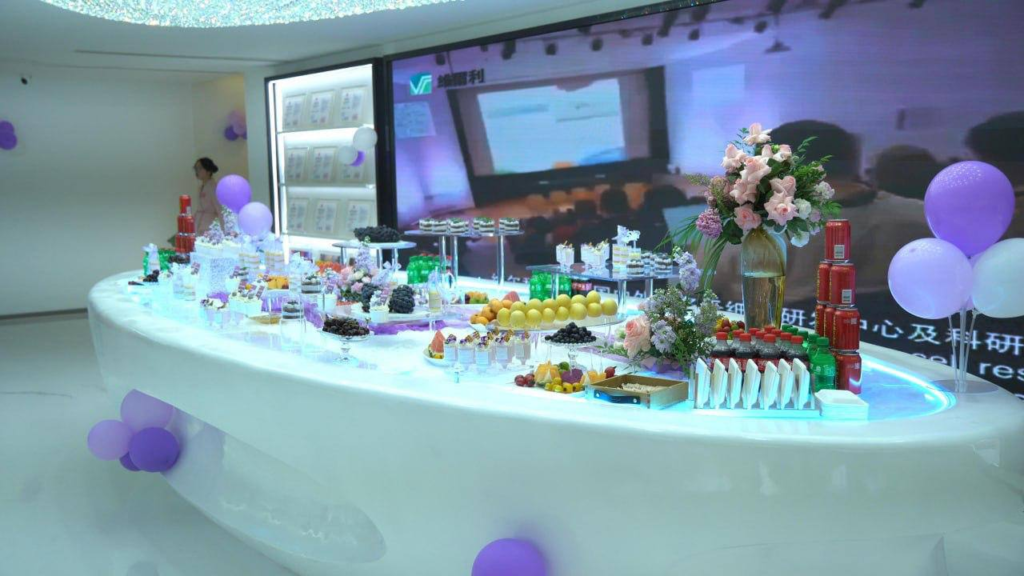
According to the plan, Hong Kong Weierli Health Technology Group will complete full coverage of all 31 provincial-level administrative regions in China (including municipalities and autonomous regions) by 2026. With flagship stores serving as core nodes, the Group aims to build a nationwide health technology service network, achieving a truly integrated “one-network nationwide” model.
Municipality Deployment: Creating National-Level Demonstration Benchmarks
At the municipality level, Weierli will focus on establishing flagship stores with national demonstration significance, serving as concentrated showcases of brand strength and service standards.
- Beijing: 6–8 stores
- Shanghai: 6–8 stores
- Tianjin: 3–4 stores
- Chongqing: 4–5 stores
Flagship stores in municipalities will be primarily located in core commercial districts, high-end residential areas, and industrial clusters, undertaking functions such as brand presentation, technology demonstration, and premium health services.
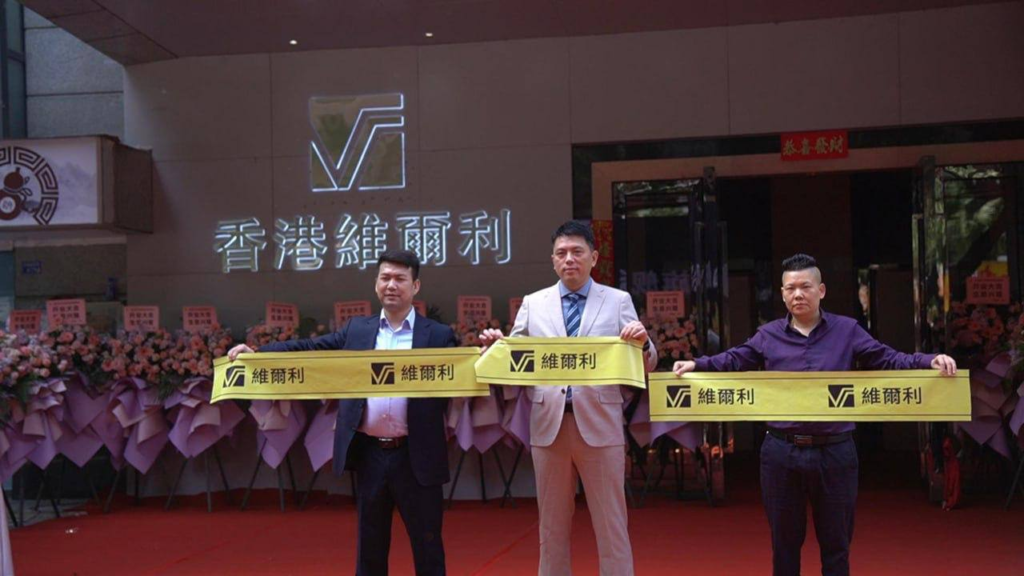
Key Province Deployment: Building Dense Regional Networks
In provinces with large populations, strong economic activity, and high demand for health-related consumption, Hong Kong Weierli Health Technology Group will establish multi-point, interconnected regional networks:
- Guangdong: No fewer than 20 stores
- Jiangsu: No fewer than 18 stores
- Zhejiang: No fewer than 15 stores
- Shandong: No fewer than 14 stores
- Henan: No fewer than 12 stores
- Sichuan: No fewer than 10 stores
These provinces will serve as the “core engine zones” of the 2026 flagship store deployment, covering provincial capitals, key prefecture-level cities, and major economic corridors.
Balanced Regional Coverage: Completing the Nationwide Network Loop
In central, western, and other regions, the Group will rely on provincial capitals and regional hub cities to ensure the completeness and forward-looking nature of its service network:
- Hubei, Hunan, Anhui, Fujian, Shaanxi, Hebei: 6–8 stores each
- Jiangxi, Shanxi, Guangxi, Yunnan, Guizhou: 4–6 stores each
- Northeast China (Liaoning, Jilin, Heilongjiang): 10–12 stores in total
- Northwest and frontier regions (Xinjiang, Inner Mongolia, Ningxia, Qinghai, Tibet, Hainan): 2–4 stores each
Through this deployment, Hong Kong Weierli Health Technology Group will achieve a national health technology service map characterized by “high visibility in first-tier markets, strong density in second-tier markets, and comprehensive coverage in third-tier markets.”
Flagship Stores Are Not Just Stores, but City-Level Health Nodes
Hong Kong Weierli Health Technology Group emphasizes that its flagship stores are not merely replicable commercial outlets, but city-level health technology infrastructure. Each flagship store undertakes multiple functions, including health technology exhibition, digital health assessment, chronic disease management support, health consultation, and user education—serving as a long-term operational anchor for the Group in each city.

Industry observers note that such a clear and quantifiable nationwide deployment plan is rare within the health technology sector. It not only reflects Hong Kong Weierli Health Technology Group’s emphasis on the long-term value of offline infrastructure, but also demonstrates its systematic understanding of national market rhythms, regional differences, and service coverage radii.
Hong Kong Weierli Health Technology Group stated that the completion of its nationwide flagship store network in 2026 will provide a solid foundation for future upgrades in service standards, user base expansion, and brand trust building—further driving health technology from “conceptual innovation” toward “city-level implementation.”